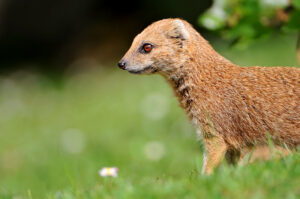
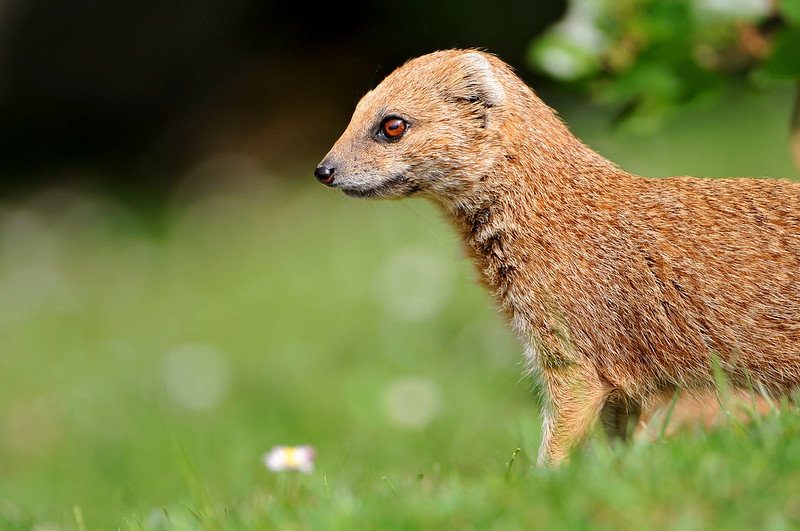
The small, quick-footed mongoose is a familiar sight in Barbados today, but it’s not a native resident. These creatures were introduced to the island in the late 1800s by plantation owners hoping to control rats that plagued sugarcane fields. While the mongoose did help reduce rat numbers, their arrival created unintended consequences for Barbados’ native wildlife.
Voracious and opportunistic, mongooses quickly turned their attention to ground-nesting birds, native reptiles, and amphibians, causing steep declines in several species. Their presence disrupted the island’s delicate ecological balance, a ripple effect still felt today.
Despite their controversial history, mongooses are now a common part of Barbados’ landscape. Visitors are most likely to spot them darting across rural roads, foraging near fields, or scurrying along the edges of wooded areas, especially in quieter parts of the countryside away from busy towns.
Though they may seem charming, the mongoose is a reminder of how human intervention can reshape an island’s natural environment in lasting ways.